The Budgerigar Council of South Australia is pleased to present its guide to budgies as pets, often referred to as budgerigars and parakeets. These small, chirpy birds are able to hold a large space in the hearts of pet owners all over the world. Budgies are beloved companions with a popularity that is second only to the dogs and cats. They are intelligent and lovable.
Before you bring this little creature into your home it’s essential to comprehend their requirements and temperament. This guide will provide you with the necessary information to live an enjoyable and healthy life, both for yourself and your furry companion.
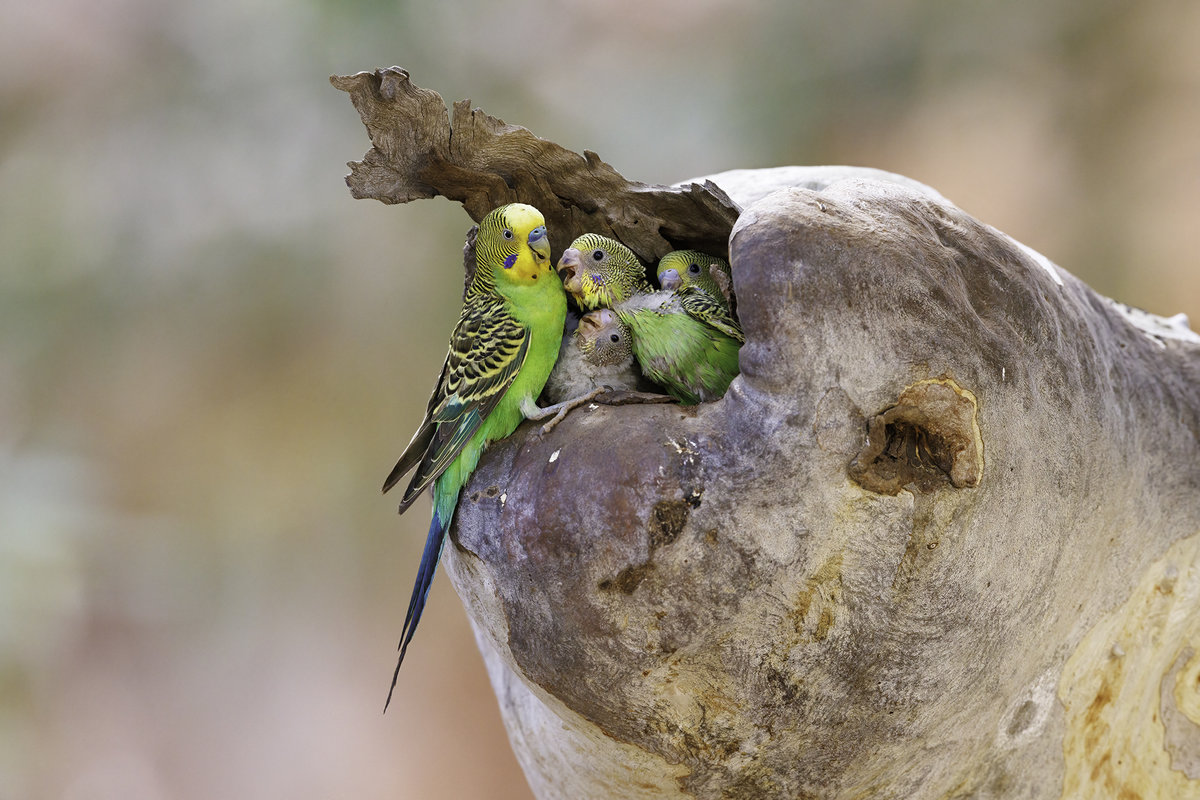
A Social Butterfly with tiny proportions
Budgies thrive with companionship. In nature, they are in large groups, always chirping and interacting with each others. A single budgie might bond with its owner when they get much attention. However it is best to have one or more companions. If you’re not able to handle two birds, plan to spend a substantial amount of time communicating with your solo budgie in order to avoid loneliness.
Chatterboxes with an Flair for mimicry
A pet budgie’s ability to mimic sounds is one of the most charming characteristics. With a bit of patience and training the budgies are able to learn words and phrases, adding the perfect amount of enjoyment to their whistles and chirps. The vocabulary of budgies can be very different. Certain budgies become chatterboxes, while others are content to whistle. Their playful voices will put a smile on your face regardless of how skilled they are in their communication.
A Rainbow on Wings
Budgie birds are available with a wide range of colors, ranging from the classic yellow and blue light to lively shades of violet, green and white. Breeders have created many variations, so you can be sure to discover one that fits your preferences. These color variations are not solely for aesthetics. They can also indicate the gender and age of a bird, which makes them an interesting discussion starter in pet stores.
How to live large even in a small area
While budgies are small birds They still need plenty of space to fly, climb and explore. A minimum cage size of 20 inches long 12 inches in depth and 18 inches high. But bigger is better! Perches that vary in height in terms of textures and sizes will keep your bird engaged. Also, rotate your toys often to avoid boredom. The cage should not be placed in direct sun.
A Budgie Approved Diet
A healthy budgie bird diet consists primarily of a high-quality pelleted diet designed for small-sized parrots. It gives them all the necessary nutrients to flourish. Fresh vegetables and fruits such as chopped carrots (seeds removed) as well as leafy greens and apples can be added to the pellet diet. Cuttlebones keep their beaks in good shape and supply important minerals. Ensure that they have pure, clean water.
Forming a bond with your feathered friend
To master your bird You will require patience and a soft touch. Be gentle when approaching the cage and then talk to your pet. You can establish trust by providing millet or other treats via the bars of the cage. When the budgie is happy with your presence, you may attempt to enter the cage and allow them to perch on your fingers. Keep trying, but do not be aggressive. It could take weeks or even days.
A Lifetime Commitment
If they are properly cared for Budgies can last for 10 to 12 years. Make sure you consider your lifestyle, and if you’re willing to commit for the long haul. Are you able to offer them regular interaction and a stimulating, clean space? If yes, a budgie could be a gratifying and enriching pet and fill your day with playful chirps and, perhaps, the occasional human word (or two). Click here for Budgie Bird
The Budgerigar Council of South Australia promotes responsible pet ownership. Do not hesitate to ask an expert avian veterinarian to provide advice on how to care for your pet when you’re not sure.