While a pumping station appears like a straightforward building from the outside However, each project is different. Some sites may need to move wastewater uphill from a new development of housing and another might need to keep water pressure steady across a commercial property with changing elevations and a growing demand. Certain projects are municipal, others are private or industrial and each has distinct design requirements as well as longer-term operational goals.
Pumping systems aren’t designed to fit every situation. The best station is built around the realities of the area, the flows, the owner needs, and the future of the property it serves. Romtec Utilities approaches each project by examining the situation from this angle, and customizing the pumping system to the specific needs of the project instead of imposing a standard solution to be implemented.
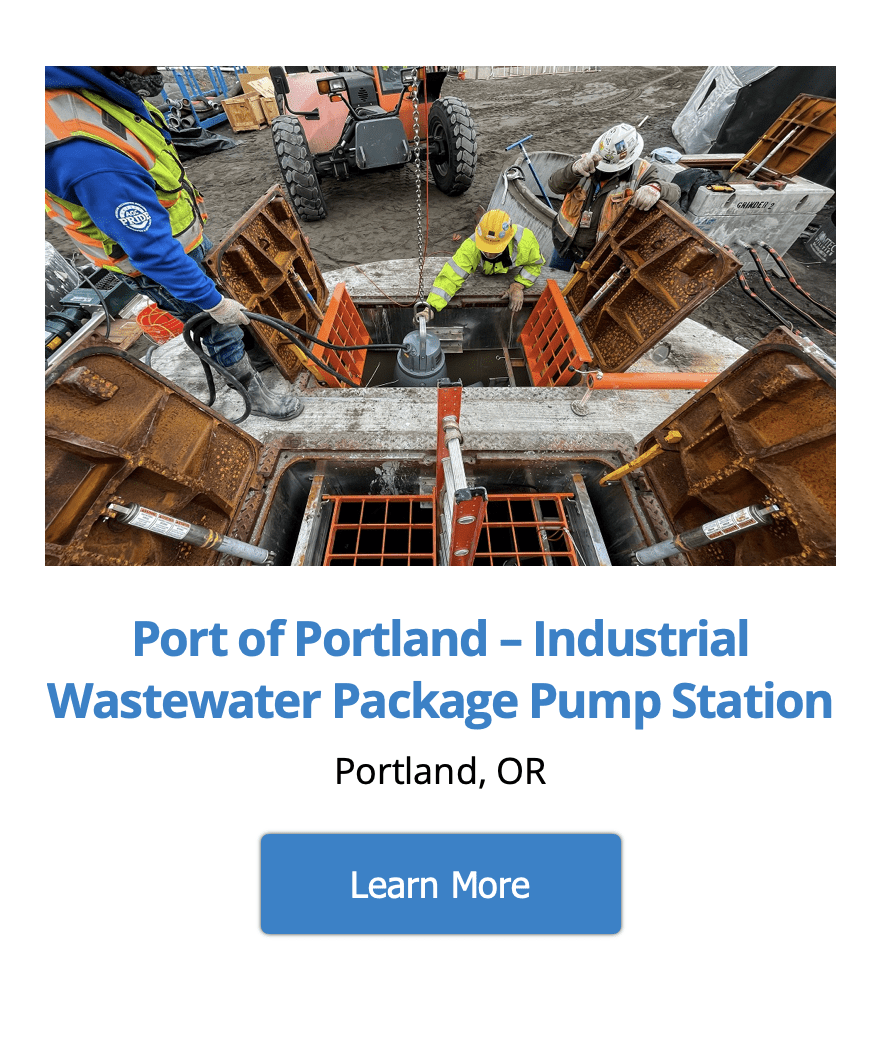
Good pumping design is about more than just moving water
Pumping stations are constructed to move waste or water in areas where gravity is not able to. It is not sufficient to build a system that is merely functional. It also has to be easy to operate and conform to all laws and regulations, both state and local. It must work in real life not just on paper.
It encompasses everything starting with the structural design and the size of the wells, controls, electrical equipment, communication systems, and access for workers. The system can be plagued with operational issues for years in the event that even one component is not planned properly. Owners and engineers value working with the most experienced lift station design engineers. It is essential to be experienced when trying to balance the mechanical performance, durability and hydraulic performance over time budget, site limitations and budget simultaneously.
Romtec Utilities brings these fields in one place. Instead of having customers coordinate multiple vendors for different elements of the station, Romtec Utilities handles the structural, mechanical, electrical, and communication components as a total system. A single source approach can save time during the design phase, cuts down on confusion during the procurement process, and creates a smoother route to installation.
If designed correctly Packaged pumping systems are more simple.
A package pumping system can simplify infrastructure projects due to the fact that it brings together key elements into a single solution. However, the true value lies from the way in which that package is engineered. An unmatched system could lead to performance issues, excessive equipment, unnecessary costs, or longer-term maintenance issues.
Romtec Utilities treats each package as a customized solution not merely a catalog item. It is because the particular site’s requirements will determine which pumps, controls valves, enclosures and piping will be most suitable for. Consider the way in which the system will operate and be maintained, monitored, and controlled. Planning coordination at an early stage will help avoid bigger issues in utility infrastructure.
Booster pumps resolve a completely different type of infrastructure problem
Some projects aren’t about wastewater. In many projects, maintaining pressure in the water is just as crucial as moving wastewater. This is where booster pump stations play a critical role. These systems are designed for water to flow easily throughout a system, even when the pressure is lower due to changes in elevation, long pipes, or excessive demand.
The design of booster systems is usually different from other types of systems. They may require control facilities, variable-frequency drives, SCADA integration and telemetry. Romtec Utilities designs the stations using the same customized mindset as wastewater systems, to ensure that the end product is both functional and operational.
Planning better leads to better long-term performance
Support for early design is one of the most valuable components of Romtec Utilities’ process. Early design and engineering help allows project teams to comprehend the potential scope, configuration, and cost of a system before getting too far into the procurement process or construction. Developers, consultants and public agencies could benefit from this.
The right design plan is essential to achieving success. The right design partner does more than provide equipment. They can also help you design a solution which is reliable and appropriate for the location as well as the needs of the owner and is durable over time.
In the case of utility work, typically the best systems are the ones that people don’t notice since they’re working. It is rare for such reliability to occur by chance. It is the result from carefully designed engineering, well-coordinated and an knowledge of how to adapt each system to the specific requirements of the project.