The phone is still a vital tool for veterinary practices even when the offices are closed. Pets can get sick at night and clients become anxious during weekends, and critical questions rarely arrive at convenient timings. When those calls go unanswered, sent to voicemail, or sent to a generic answering service that lacks medical understanding, the outcome is often frustration for pet owners, anxiety for vets on call, and missed opportunities for the practice.
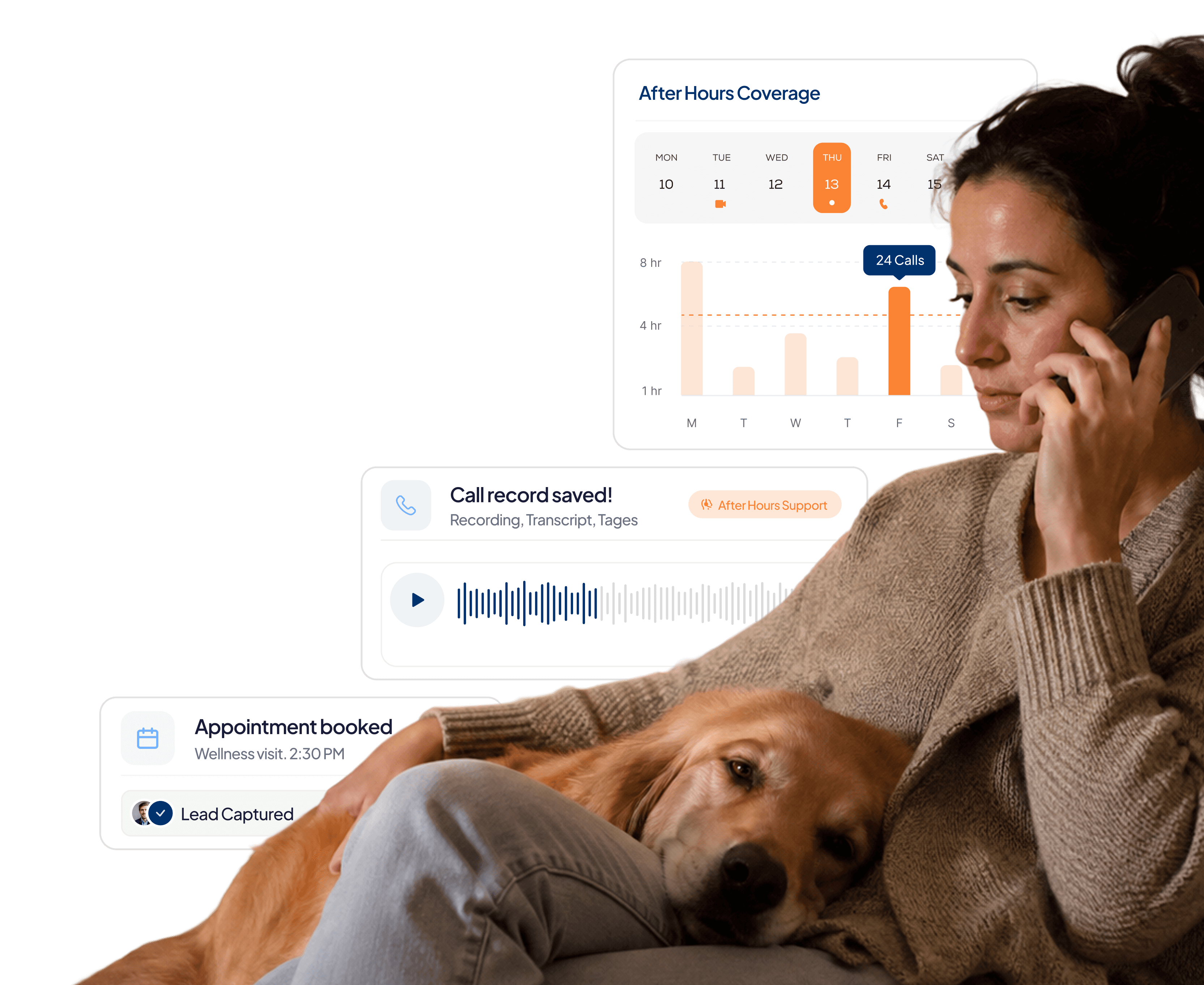
Image credit: guardianvets.com
This is the reason that after-hours communication is such an essential aspect of vet operations. A solid answering service for vet practices does more than answer the phone. It can help practices maintain relationship with clients, assist pet parents through the optimal step and reduce the burden of their internal staff. In today’s veterinary environment the availability of after-hours assistance isn’t just a luxury. It’s an aspect of how a clinic provides continuity of care.
There are many answering systems that are specifically designed for use in veterinary medicine.
There’s a significant distinction between an ordinary vet answering service and one built for animal hospitals. In a hospital environment, answering calls after hours isn’t always simple. The patient may be worried about toxins, post-surgical problems, vomiting, changes in breathing or if their pet needs emergency care. Such situations go beyond messaging. It requires a steady, calm and judicious communication and structure from someone who is familiar with the workflow of veterinary medicine and appreciates the urgency.
This is the reason why GuardianVets stands apart. GuardianVets is not a typical call center. It is a vet specific support partner, staffed by credentialed veterinary technicians. That distinction matters. A trained technician can assess the nature of the call, follow the clinic’s triage and escalation protocols, help the pet owner understand the level of urgency, and direct them toward the right next step without stepping outside the boundaries of the veterinary-client-patient relationship.
A veterinary triage service helps all people make better choices
One of the biggest benefits of a true veterinary triage service is that it creates clarity in stressful moments. Pet owners are often unable to know if a situation is one that can be put off until the morning, if they should make a follow-up appointment or if they should seek urgent medical attention immediately. Many are left in the dark and rush to an emergency hospital without a need or delay seeking help.
It can help close this gap. Triage allows pet owners to have someone to talk to that is knowledgeable, decreases confusion and helps practices make sure that urgent cases are handled correctly, while other issues are recorded and handled in the proper manner. This will prevent vets from being interrupted by situations that don’t really require medical intervention during the evening. That can make a meaningful change in the work-life balance, particularly for hospitals where the same doctors are carrying the clinical load during the day and the call-ins at night.
The veterinary center you choose must be able to work with your workflow, not fight them
Modern veterinary call centers shouldn’t be considered a service which is unconnected from your practice. It should function as an extension of your team. This means it should know your preferences in communication such as appointment rules such as emergency protocols such as escalation routes, and protocols. This also includes integrating your PIMS so the triage notes as well as schedule results flow into the system that is already being utilized by your team.
GuardianVets was founded on this idea. The process involves analyzing the areas of call coverage that are not covered and mapping current communication with clients. Additionally, it involves creating an approach that reflects the real-world situation of the clinic, rather than forcing them into a rigid template. This is a major departure from the conventional answering service that typically stops at message capture before giving it for the clinic.
It’s not just convenience that is the primary benefit of having better coverage after hours
A reliable answering service for veterinary patients after hours is more than just reduce the number of missed calls. It also helps maintain trust among clients during stressful moments, keeps more cases within the network of practices when it is appropriate and provides teams with the ability to more effectively control demand for after hours. It can also help increase revenues by turning weekend or night-time inquiries into scheduled appointments instead of wasted opportunities.
The most important thing is that it gives peace of mind to pet owners that a professional is always available to assistance. In the field of veterinary medicine, this kind of support is vital because most after-hours calls don’t just concern logistics. These calls can be emotional. The reaction to a loved animal can affect how people feel long after the situation is over.
Hospitals that wish to enhance both the care of their clients as well as team wellness, GuardianVets offers a model that goes beyond a standard answering service for veterinarians. Through the combination of clinical triage, workflow integration, and compassionate communication it allows clinics to be at the service of their clients even when clinic doors are closed.