Digital investigations have become more complicated. An incident could be involving mobile devices, computers, cloud platforms removable media as well as network logs, emails as well as data from several third-party software tools. One of the greatest challenges to modern investigators is how to manage all of this data efficiently.
It is not enough to keep track of the tasks. It requires a secure and safe environment where timelines, evidences workflows, and team collaboration is tied starting with the report and ending with the final outcome. If investigators aren’t spending as much time searching for information, they can dedicate more time to analyzing evidence and identifying what really happened.
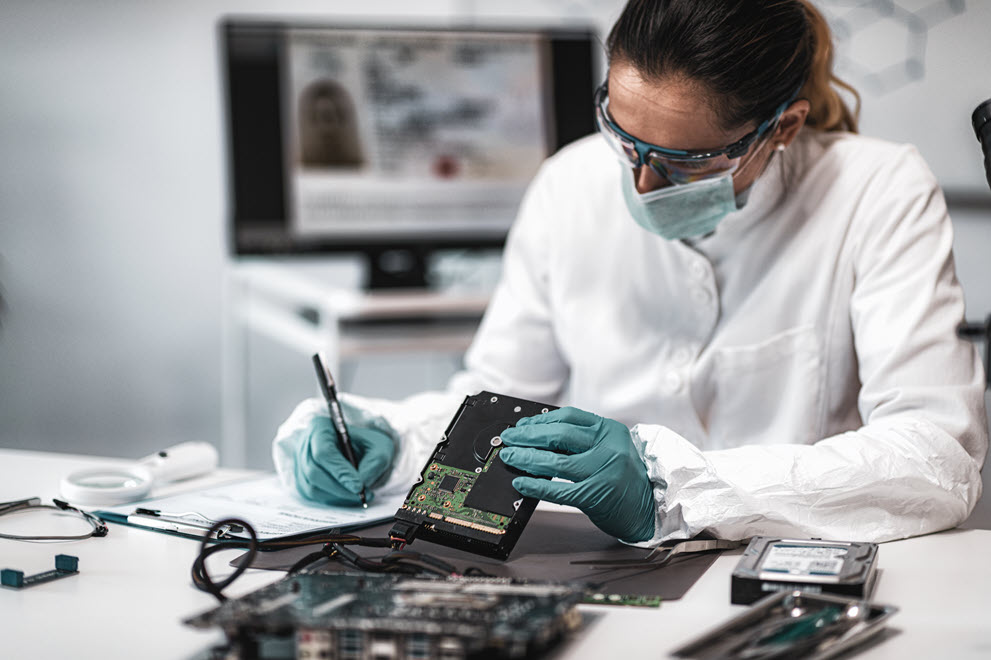
Organizing evidence improves the entire investigation
Successful case management depends on keeping every piece of information connected and accessible. All documents, including investigation notes documents, exhibits and reports along with chain-of-custody records and other supporting documentation must be synchronized to maintain strict security and compliance standards.
Important details can be easily missed when data is scattered across emails and spreadsheets, shared drives and disconnected applications. Centralized platforms reduce that risk by providing investigators with a safe place where evidence, actions, and decisions are recorded throughout the life of the investigation.
This method improves collaboration between supervisors and investigators and analysts, incident response teams and other stakeholder.
Solutions designed for specific purposes help DFIR teams work the way they should
Digital investigations have specific operational requirements that software for managing projects was not created to meet. Audit logs, evidence integrity chains of custody, the consistency of workflows, and compliance with regulations all require special capabilities.
DFIR case management platforms have become increasingly useful. They do not compel investigators to adopt generic software. Instead, they are built around the existing processes used in investigations. Teams are able to assign work to monitor progress, keep track of evidence, and adhere to standard procedures while keeping complete control across all investigations.
Detego Case Manager DFIR has been specifically designed for this particular environment. The platform was developed by DFIR professionals to help digital forensic laboratories and incident response teams as as corporate security groups as well as police agencies.
More rapid decisions can be made when there is better visibility
As investigations expand as investigations become more extensive, understanding the interrelationships between individuals, devices, locations, incidents, and evidence is becoming more important. Dashboards, visual timelines, entity maps, and real-time reports help investigators uncover patterns that would otherwise be obscured.
Modern digital forensics systems streamline this procedure by bringing all of the information into a secure, unified environment. Instead of manually assembling information from multiple platforms, investigators are able to swiftly look up case status, outstanding tasks, inventory of evidence, and reporting metrics from the same dashboard.
This degree of visibility not just speeds up investigations but also allows managers to allocate their resources more effectively. It also identifies work-flow bottlenecks, allowing them to recognize those before they can impact the completion of cases.
Building investigations around consistency and accountability
In the case of investigating in the context of aiding legal procedures, regulatory reviews or internal disciplinary measures coherence is vital. Each step taken during an investigation must be documented as repeatable and enforceable.
Detego Case Manager for DFIR helps organizations standardize investigation management through configurable workflows, centralized evidence collection, secure documentation and audit trails that are detailed. The platform aids investigators right from the initial incident report through the management of evidence, task assignment reporting, case closure while maintaining compliance throughout all stages of the process.
The organizations need to provide well-organized case management because digital investigations continue to increasing complexity and volume. This is accomplished without putting on an administrative burden. Detego’s DFIR Case Management capabilities mix secure evidence handling, workflow automation, collaboration and tools for collaboration. This offers investigators the ability to work in the current challenges in investigative settings. The result is stronger digital Forensics case management, enhanced efficiency of operations, and increased assurance in each investigation from the beginning to the end.