Fresh snow has a way of making difficult ground look harmless. A frozen ditch becomes a smooth white surface. Rocks disappear. A familiar trail loses its edges, and the difference between firm snow and a deep drift becomes almost impossible to judge from a distance.
That’s why winter travel requires more than a capable machine. Even with UTV snow tracks installed, understanding the surface beneath you remains an important part of driving safely.
Not All Snow Supports Weight the Same Way
Dry powder, wind-packed snow, and wet spring snow behave differently under a vehicle. Light powder may allow a machine to sink until the track assemblies encounter a firmer layer. Wind-packed surfaces can provide better support in some places while concealing softer deposits nearby.
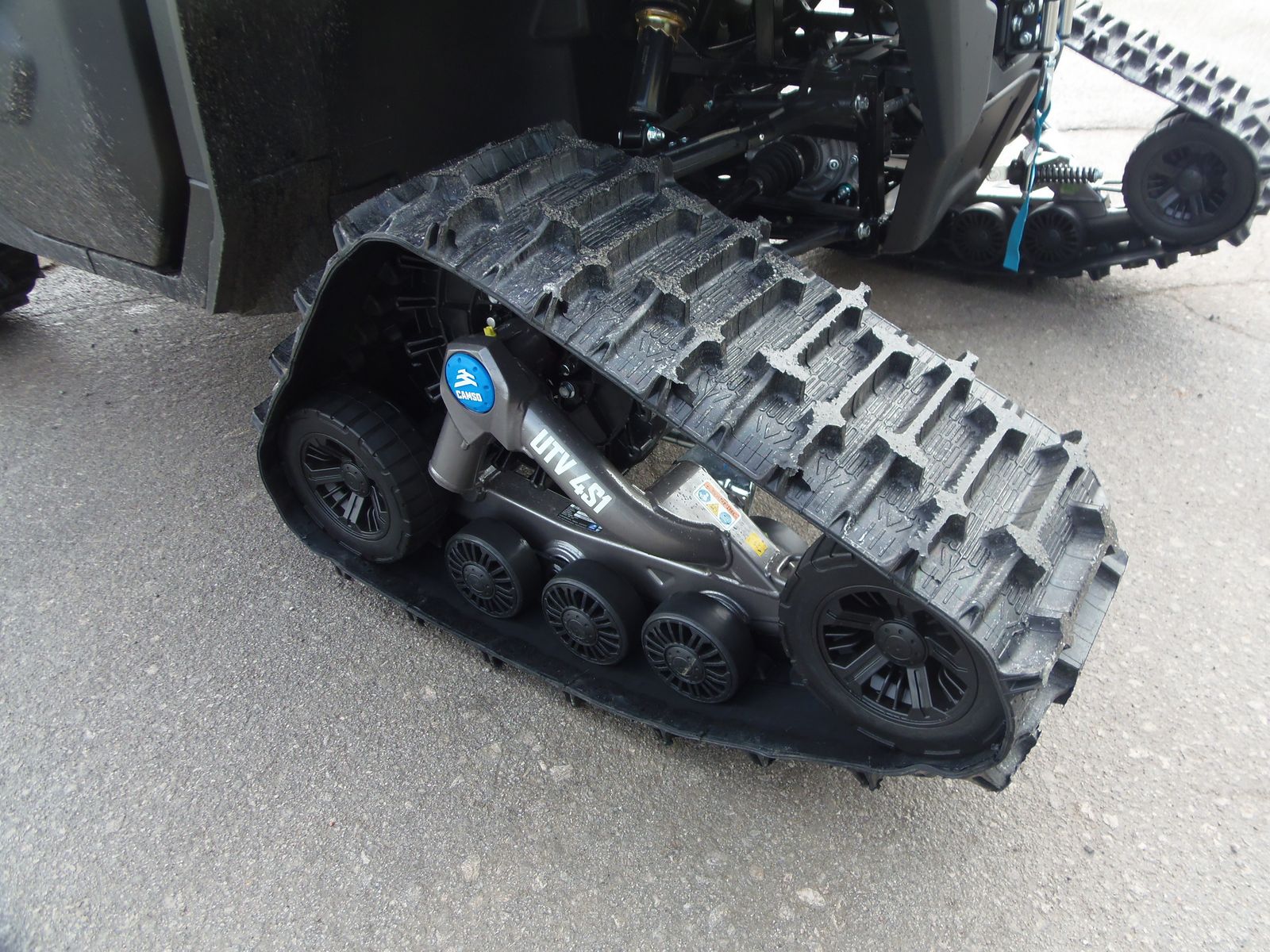
Wet snow often creates greater resistance and can accumulate around mechanical components. These differences influence how much effort the machine needs to maintain forward movement. A route that was manageable yesterday may become difficult after a temperature change or additional snowfall.
The Danger of Trusting a Smooth Surface
A snow-covered field may contain drainage channels, buried debris, or uneven ground. Tracks improve flotation, but they cannot identify hidden obstacles. Avoid crossing unfamiliar frozen water or questionable ice. Ice thickness and strength vary with temperature, water movement, and local conditions, and a track conversion does not make unsafe ice reliable.
The same caution applies to steep slopes and concealed drop-offs. Drivers should evaluate terrain before committing to it, particularly when traveling far from maintained roads.
Why Track Design Matters in Changing Conditions
Many riders start looking into UTV tracks for snow and mud mainly because of traction. That focus makes sense, but traction is only part of the picture. The size of the track footprint plays a big role in how the vehicle’s weight is spread out, and the tread pattern affects how well the system grips different surfaces.
Camso UTV tracks, for example, come in several setups designed for specific machines and conditions. Kimpex UTV tracks offer their own range of options as well. Both manufacturers produce systems that handle a mix of snow and softer terrain, though the right choice still depends on the exact make, model, and year of the UTV.
ATVTracks.net carries four systems from these manufacturers, which gives buyers a practical way to compare equipment that actually fits their machine. Compatibility should always be double-checked before purchasing.
Driving Technique Can Preserve Momentum
Sudden throttle inputs aren’t always helpful in deep snow. Aggressive acceleration may cause unnecessary digging or wheelspin, depending on how the track system is working that day. Smooth power delivery and proper use of low range usually help maintain controlled movement.
Avoid sharp turns when the surface feels fragile or traction is uncertain. If the vehicle starts struggling, repeatedly giving it more gas often makes recovery harder. Sometimes the better move is simply to stop, look around, and choose a different path.
Planning for the Conditions Beyond the Trailhead
When people start comparing UTV tracks for sale, it’s easy to focus only on performance. It’s just as important to think about the distances you plan to cover. Track conversions usually reduce top speed and increase fuel use, so a winter trip can take longer and burn more fuel than the same route in warmer months.
Carry recovery gear, dress for unexpected delays, and let someone know where you’re headed when traveling in remote areas. Reliable communication becomes especially valuable where cell service is weak or nonexistent.
Know When to Turn Around
The strongest winter driving skill isn’t necessarily the ability to climb a difficult slope or push through a deep drift.
It’s recognizing when the terrain has become too uncertain. Track systems can expand the range of conditions a UTV can handle, but they don’t eliminate the risks of unstable snow, poor visibility, or hidden hazards. Good equipment helps you travel farther. Good judgment decides whether you should.