Review a lengthy bank statement and you’ll usually find more than just an account ledger for transactions. You may find account summary, notices, explanations texts, disclosures, as well as other pages containing the details a bookkeeper really needs.
If the primary goal is to get transaction data into an accounting or spreadsheet system, it may not be required to handle everything. Before making the output, determine the pages that will be most useful.
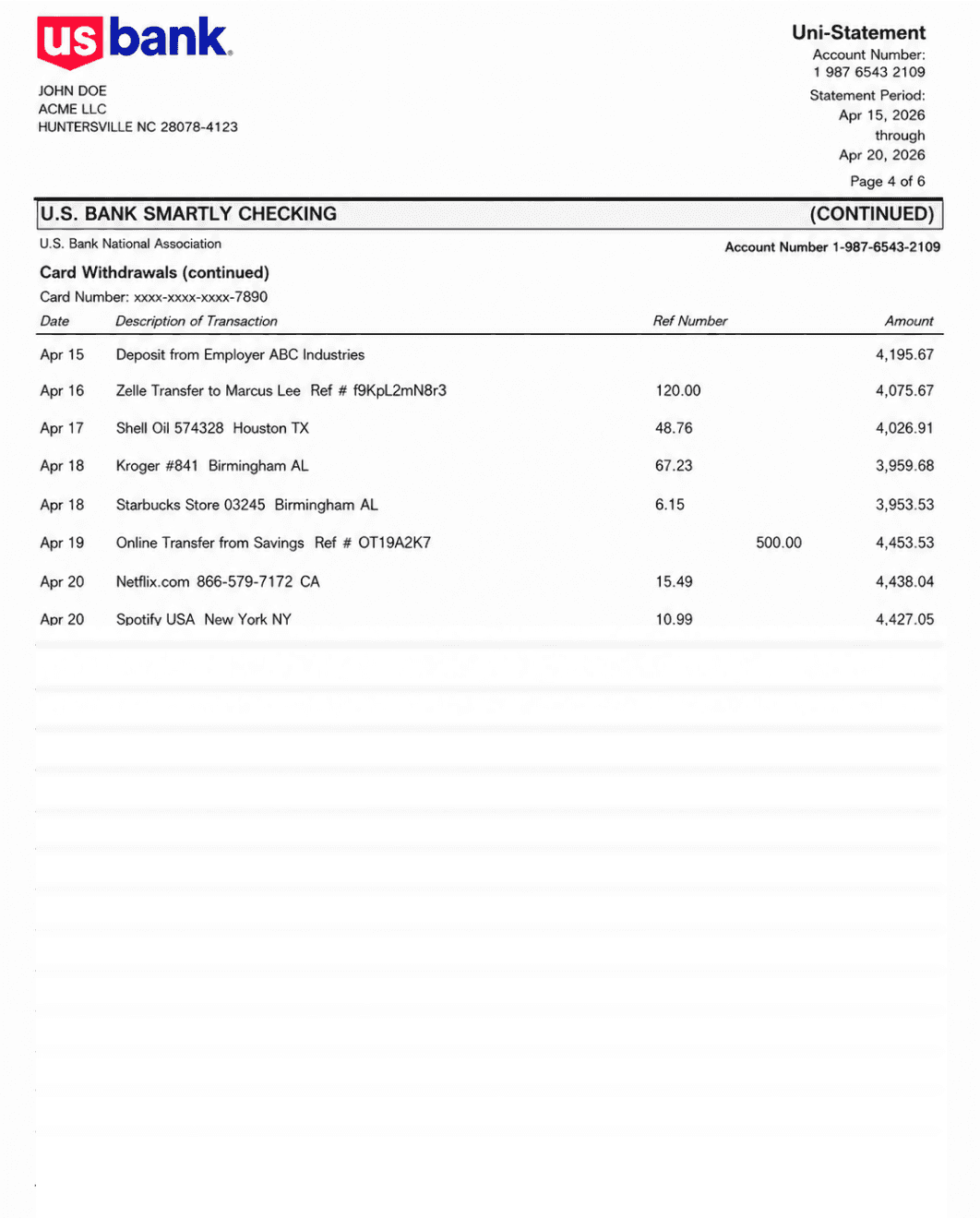
Image credit: docubrew.com
The number of pages don’t necessarily mean that more valuable data is available.
Think about a company reviewing several months of bank activity. While each monthly PDF may have 10 or more pages just a small percentage of it contains the accounting tables that are required.
One solution is to copy the tables, however this could be time-consuming and cause typing mistakes. Businesses could instead convert bank statements to Excel with the intention of limiting the conversion to only relevant pages.
Docubrew offers a page preview that allows users to see and choose which pages will be processed. You can eliminate the cover sheet, disclosures, and other pages that you don’t require.
A Preview First gives You More Control
Automation is only beneficial when you know what it’s doing.
Docubrew’s preview feature lets users to view all the pages of the report before converting it. The software makes use of the original statement to extract figures instead of making an attempt to estimate the financial value.
The preview is a fantastic method to check that the pages you want to download are chosen correctly and also to check the information gathered prior to download the final results.
It’s a simple checkpoint, but one that is crucial when financial documents are involved.
The Export’s Shape should be determined by the destination
The next question is how you plan to do with the transactions.
Excel is a good option for bookkeepers who need to check the rows, sort data, or work with the data in a spreadsheet. CSV might be a better choice if you are transferring the data from one system to another. Docubrew can also output QBO.
If a person needs to convert a bank statement to CSV format it is possible to create CSV. This is a CSV instead of creating an Excel worksheet and then manually changing the formats.
Docubrew’s output is designed for use with accounting platforms such as QuickBooks, Xero, and FreshBooks and spreadsheet-based workflows.
Scanned papers can be able to be seamlessly integrated into the workflow
The use of selective conversion isn’t restricted to digitally generated PDFs.
Businesses sometimes have older statements accessible only as paper scans. Docubrew can support OCR for the PDF format of scanned statements which means that the documents can be processed well.
This is useful for historical bookkeeping where the most recent records were converted to digital format, while older documents were printed on paper. Instead of having two different workflows, the documents could be processed with the same conversion process and then reviewed prior to export.
Process Locally or Use the Cloud
How the financial documents are handled is as important as the result.
Docubrew’s Windows desktop application handles the conversion locally, and stores client files in the system. For those who prefer web-based processing cloud processing, the cloud option protects uploaded files and, according to Docubrew the program, deletes the files that have been uploaded and transformed within 24 hours.
Ultimately, converting a bank statement to Excel shouldn’t mean feeding every page of every PDF into a tool and hoping the output is useful.
Begin by reviewing the pages with the information you require. Find out what is being extracted. Choose the format to complete the next task in accounting.
A more efficient workflow for financial transactions can start not by more processing rather, by purposefully making less processing.