The massive, robust structures made predominantly of steel are made to be used in commercial and industrial settings. These buildings are famous for their durability, strength, and versatility. They are ideal for numerous uses. Industrial steel buildings has been around for decades, and they have developed significantly with time. Thanks to the latest advancements in building technology they are also more affordable.
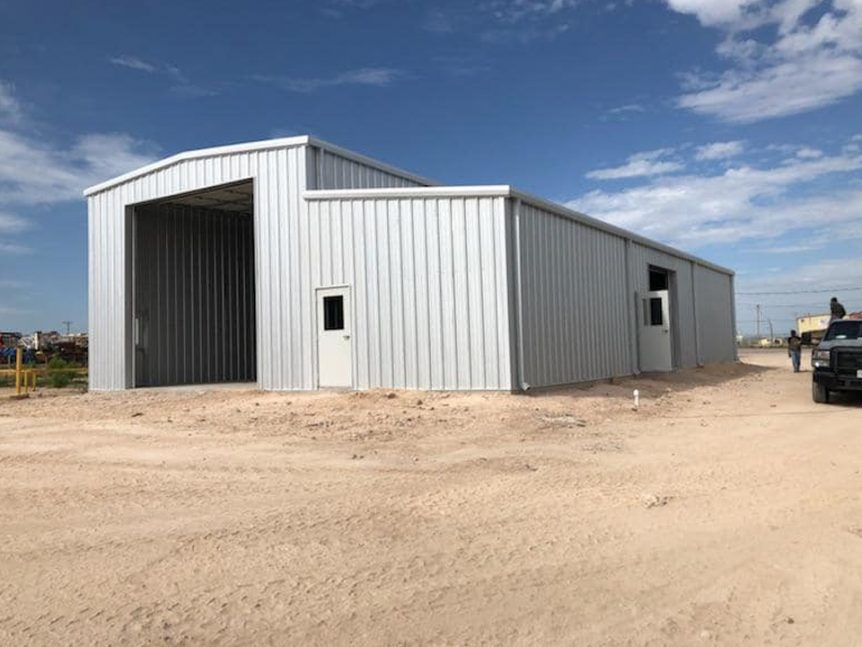
Steel structures can withstand extreme weather conditions and natural disasters, such as earthquakes and hurricanes. Steel is a strong and durable material that can take on strong winds, large snow loads, and seismic activity. Industrial steel buildings are safer for industrial and commercial usage because they are less susceptible than other materials to be damaged by natural catastrophes.
Another advantage of industrial steel buildings is their fire resistance. Steel is a noncombustible material that does not ignite, burn, or create fire. This makes steel buildings the ideal option for companies which require a high degree of fire protection, such as manufacturing plants, warehouses, and storage facilities. The steel’s resistance to fire can make it an economical choice in the long-term, reducing the likelihood of fire damage and the associated insurance costs.
Steel buildings made for industrial use are more affordable than traditional construction methods. Steel buildings that are prefabricated are built off-site, and then brought to the construction site to be assembled. The amount of labor and time on-site are reduced, reducing the cost of the entire construction. Additionally, the precise components that are used in steel structures are made to fit precisely, leading to the construction process being more efficient and reducing loss.
The design of industrial steel structures can also provide greater tolerances. The steel components used in structures are manufactured to exact dimensions, which means there is less chance of mistakes during the construction process. The final product is more exact and precise, thus reducing the amount of time spent on elements on the construction site. Transporting the components to the site of construction and assembling them using bolted connection, reduces the construction time.
The construction of industrial steel buildings involves a lot of groundwork. The foundation of the building has to be sturdy and solid in order to hold the weight of the steel parts and to ensure the durability and safety of the structure. Site clearance, excavations, foundation layings, drainage, and landscaping are all a part of groundworks. A reputable business can offer an array of groundwork to provide a solid foundation for the building.
When it comes to industrial steel structures, flexibility is essential. Steel buildings can be built to meet a range of requirements and specifications. They are able to be customized to include features like mezzanine floors, overhead cranes, and even office space integrated. Steel buildings can be tailored to accommodate a range of applications, including warehouses, offices and manufacturing facilities. Steel buildings’ versatility is what makes them a great choice for companies which require spaces that can be adapted and flexible.
Energy efficiency is another important consideration for industrial steel buildings. Steel buildings are designed with energy-efficient features like solar panels, as well as energy-efficient lighting. This reduces not only the environmental impact of the building but also leads to lower energy costs for the business. Smart building technology could further enhance the energy efficiency of steel structures through more control over lighting, heating, and cooling systems.
Prefabricated steel buildings are a great option to use for industrial uses. Prefabricated steel structures are by far the most cost-effective alternatives to traditional constructions, as they require just a little work on the site, come with customizable designs and can be set up in just a few days or even hours. They are also recognized for their durability due because of the reinforced structure. It is clear that prefabricated structures are more efficient and cost-effective to build. Why not invest in this reliable and quick building process, regardless of whether you’re an architect or entrepreneur who is planning to construct a new warehouse? You’ll be grateful!
For more information, click industrial steel buildings