Consider the apps you have you have on your smartphone right now. They are the ones that you use each day without even noticing the habit loop triggers, and your thumb just knows where to go. Behind this effortless, second-nature interactivity lies a lot of human psychology and deep technical engineering. Digital friction is a no-tolerance standard among modern users. Mobile screens which lags, is slow to load on weak data connections, or misses a notification can be wiped clean in a matter of minutes. If you’re a founder with funding or enterprise teams focused on growth and growth, the stakes are more high. A successful digital product needs more than a stunning site or a smooth surface. It is imperative to establish an alliance with a reputable mobile app creator that can create human retention from the very first weeks of production.
The Constantly shifting Ecosystem Rulebook
It is much more challenging building for mobile than web engineering, as you are working on a surface that is moving. Apple releases an operating system update every in the fall. It introduces tighter privacy policies, is able to retire outdated code structures, and alters the app store review protocol. Google operates with its own complicated timeline, constantly changing how notifications function and changing the way background processes work with phones’ batteries. The product you are developing could be damaged when your team isn’t focused on these changing guidelines. This will result in poor reviews and broken features. It’s for this reason that companies should employ mobile app developers who view their tasks as a continuous, ongoing lifecycle rather than an coding sprint. Release engineering is a continuous procedure that makes sure that the automated shipping pipelines remain in operation and secure during every operating system modification.
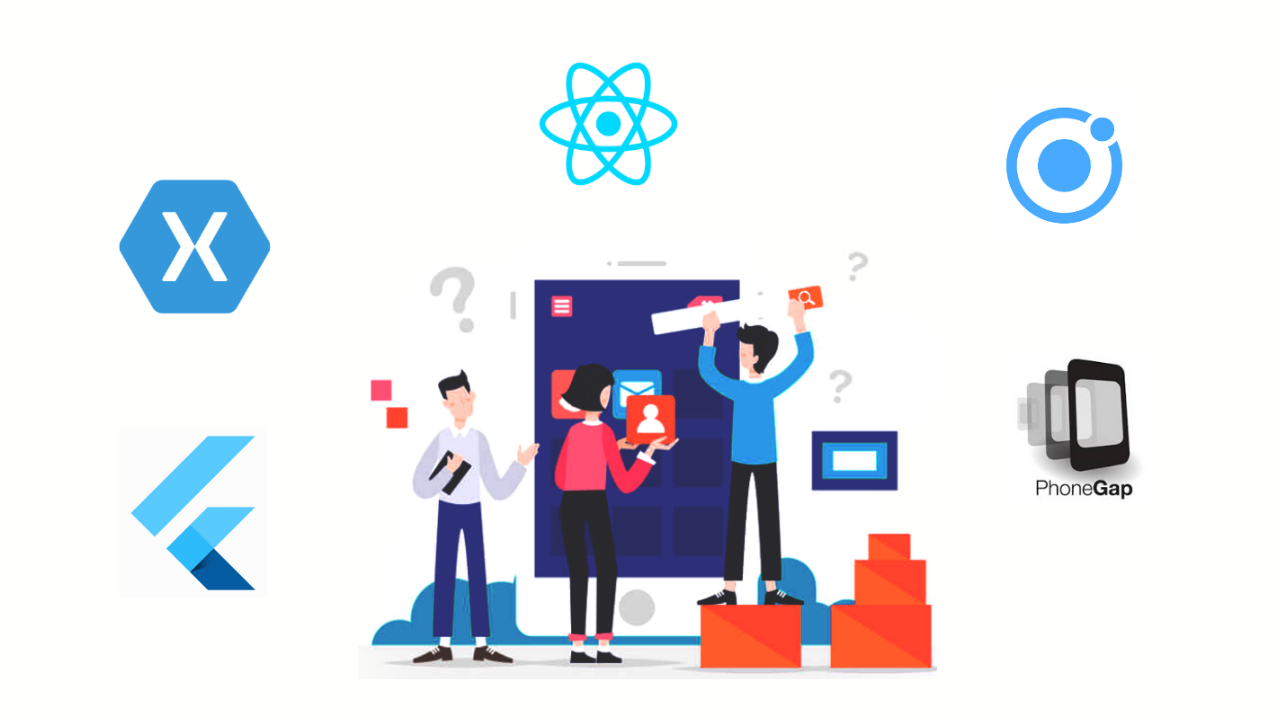
The Native Experiences at the Crossroads
When mapmaking out a new mobile roadmap, designers inevitably reach a critical structural crossroads: determining the way in which code interacts with physical hardware. Selecting dedicated iOS app development services gives developers uncompromising access to Apple’s most current native frameworks, which allow smooth animations with a silky smooth texture and ties to specialized features like HealthKit or biometric security. A targeted Android application will ensure the app you develop is able to run on the broad array of screen sizes, processing capabilities and devices that are available in the market. Native architecture is the gold standard for business models that depend on the use of devices that are heavy, for example, interacting with low-latency Bluetooth accessories and tracking precise locations in real-time and offering seamless checkout processes using native payment systems.
Cross-Platform Engineering accelerates production timelines
A lot of companies are expanding rapidly, and the pressure of funding and the competition may make it difficult to launch on two operating systems simultaneously. This problem can be addressed by adopting a superior cross platform app development strategy. It allows a unified group of developers to design, develop as well as test, maintain, and improve the quality of a codebase which is flawless across both platforms. This strategy cuts down the traditional timeframe for launching by a long time, allowing businesses to gather real-world user feedback at just a fraction of the cost. By choosing a specialized Flutter app development company, brands can build highly stylized, pixel-perfect interfaces that maintain absolute visual consistency across different devices. When backed by a strong base of automated testing, and powerful background data syncing this cross-platform approach provides the best balance between rapid market entry and efficient execution.
Engaging users in a long-term, sustainable way
The ultimate measure of a successful mobile launch is judged by the long-term sustainability of users’ habits, not just short-term download spikes. The most efficient mobile architecture incorporates key behavioral triggers right into the technical stack ensuring that onboarding processes are effective within the first sixty seconds and that local data is cached easily during unexpected cellular drops, and that notifications systems adhere to the user’s focus. No matter if your team wants to build an MVP product that can be shipped quickly to demonstrate market fit or is working on a larger enterprise system that is governed by strict standards for data conformity and the primary focus is on the fundamentals remains the same. Digital Heroes will help you build a strong digital asset, by committing to an engineering rhythm that is well-organized and predictable, all while respecting the users’ time and device performance.